Within the 2026 edition of the Climate Action Week in Sydney
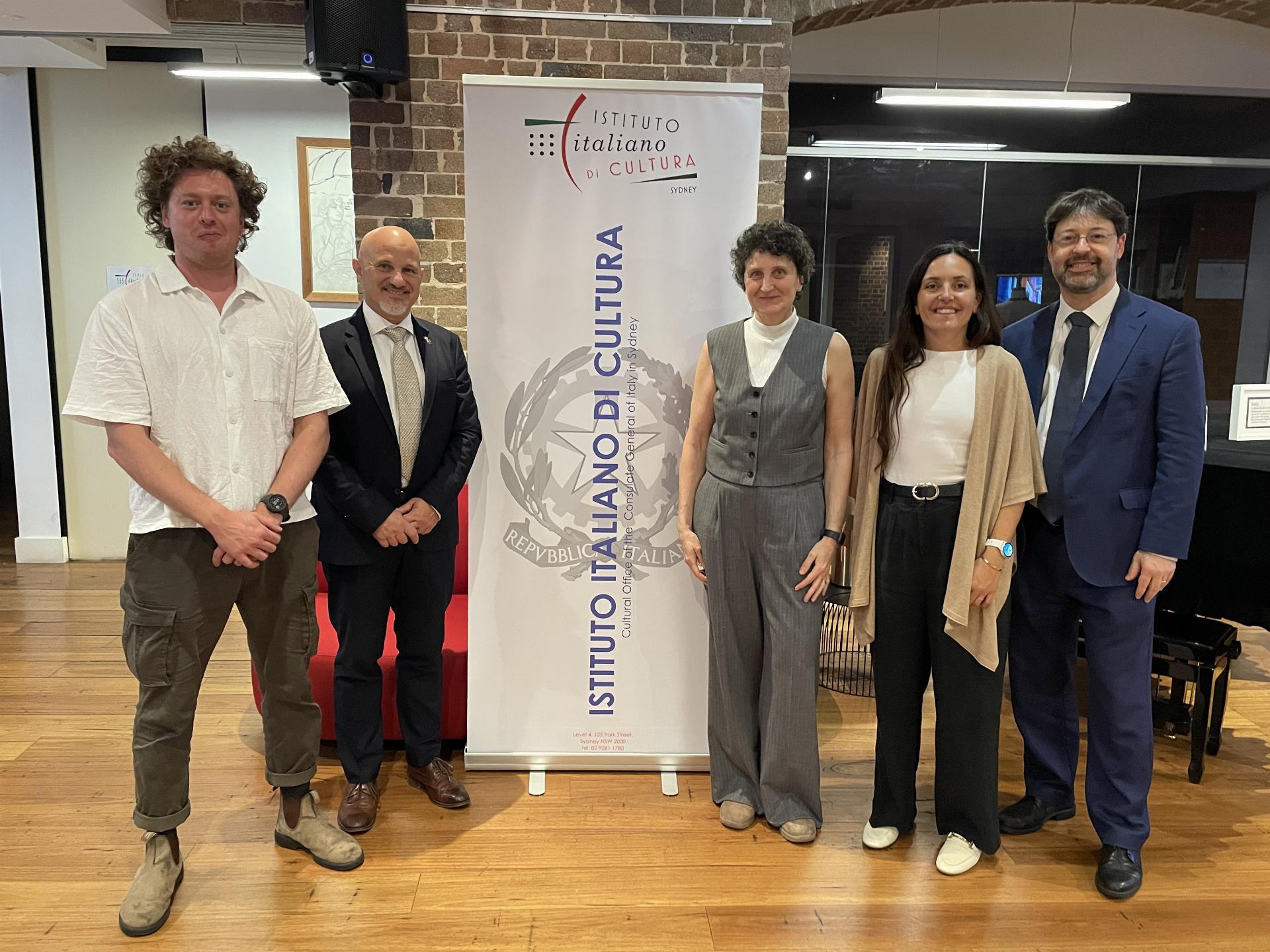
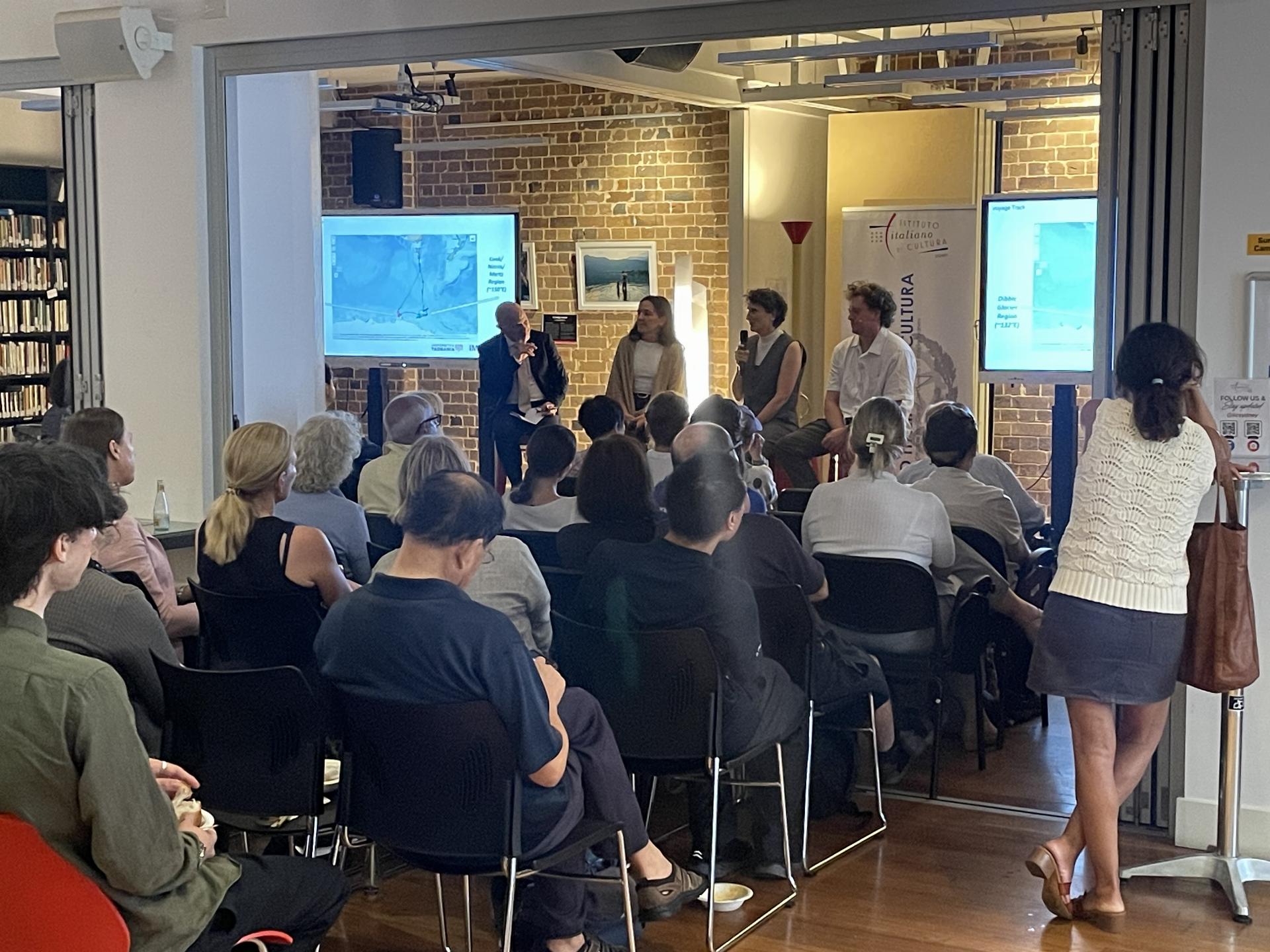
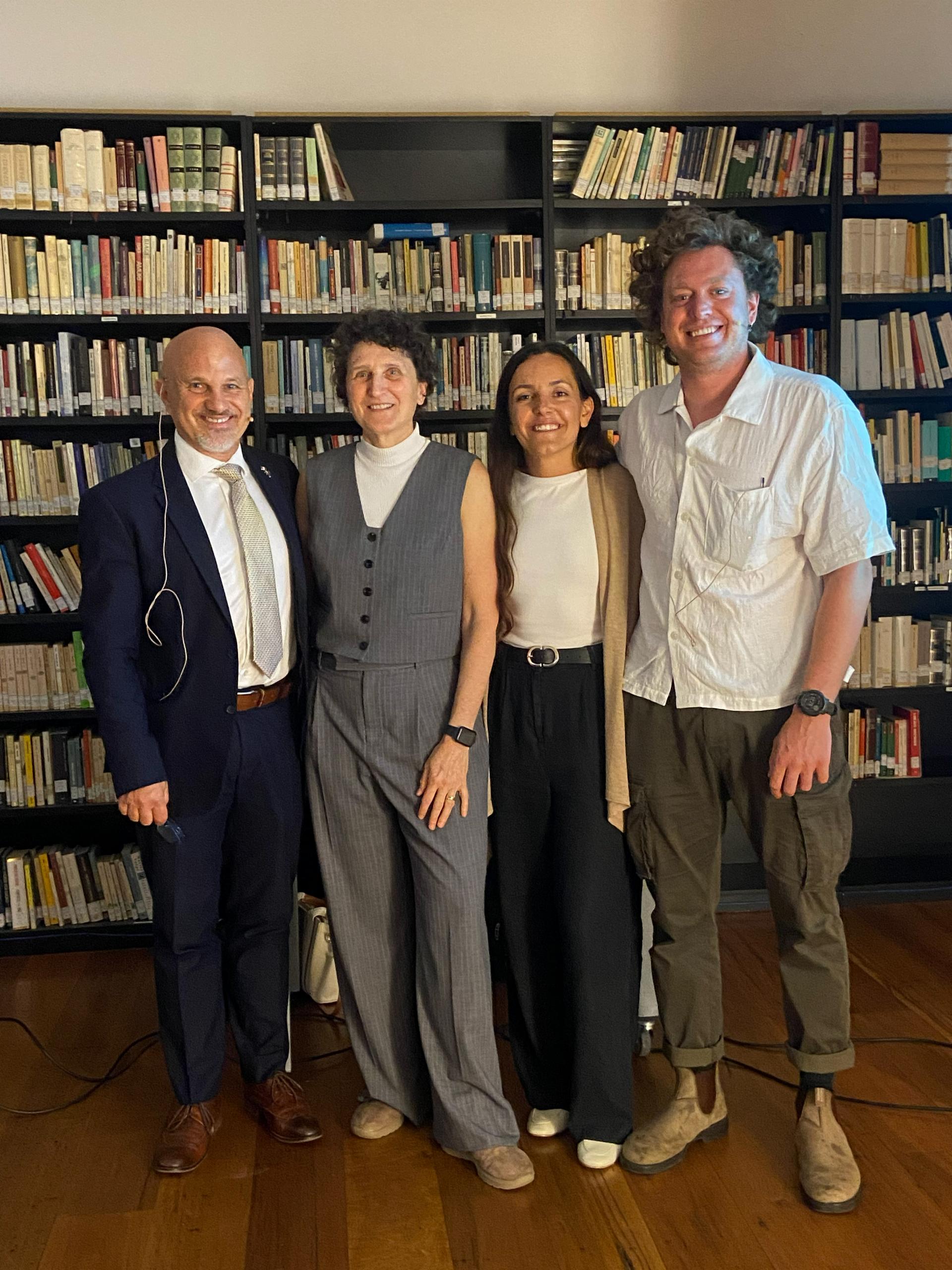
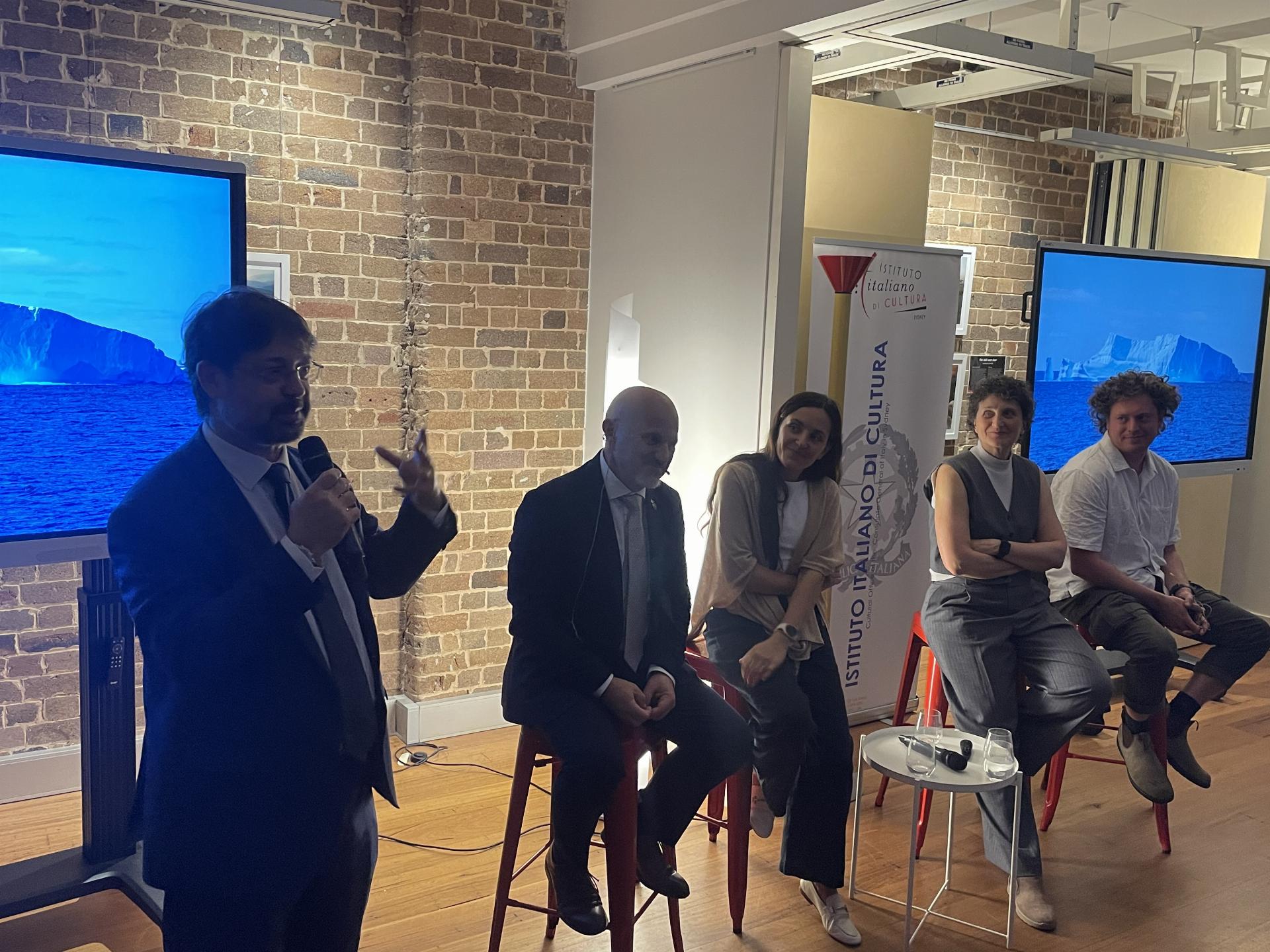
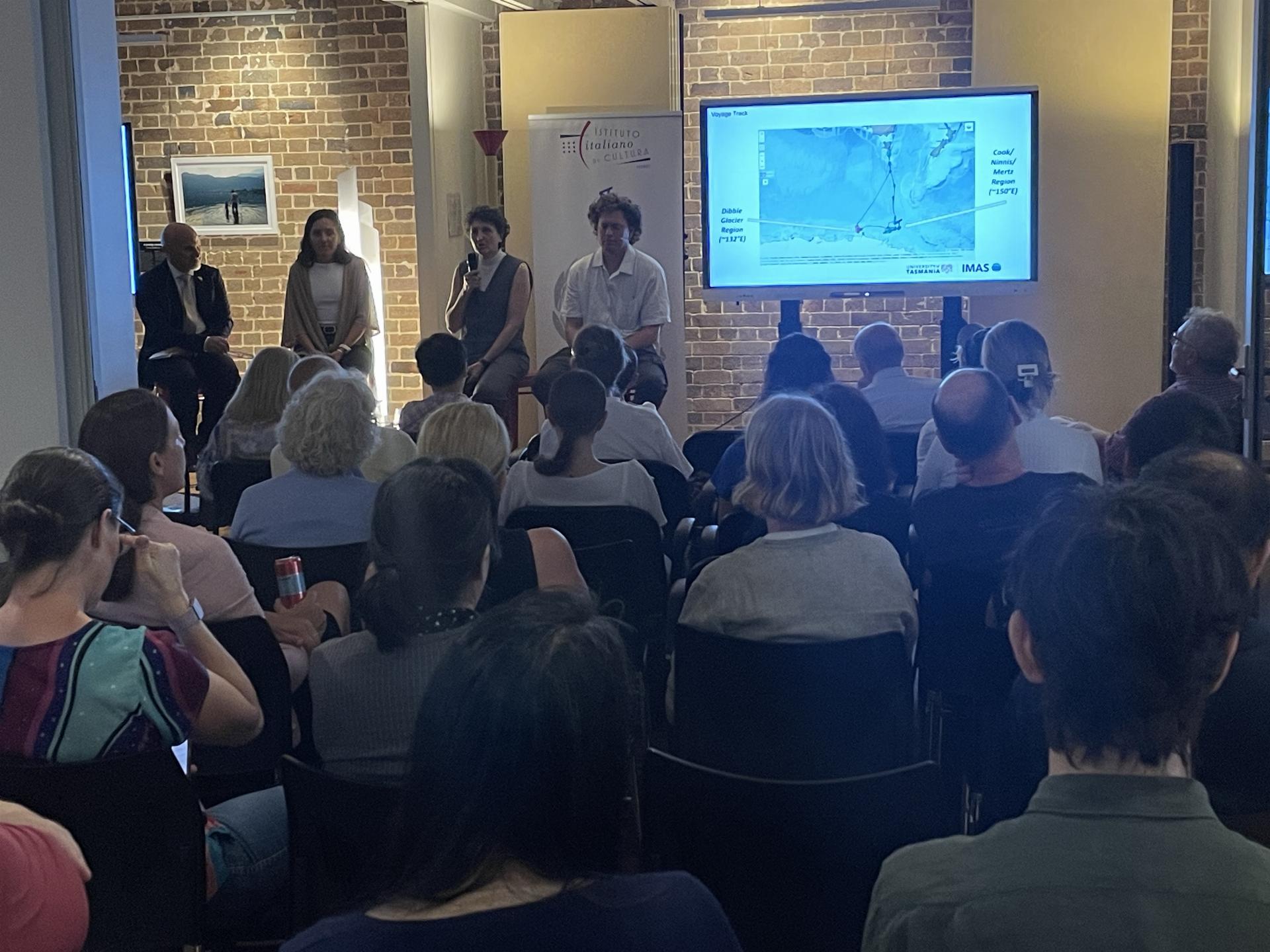
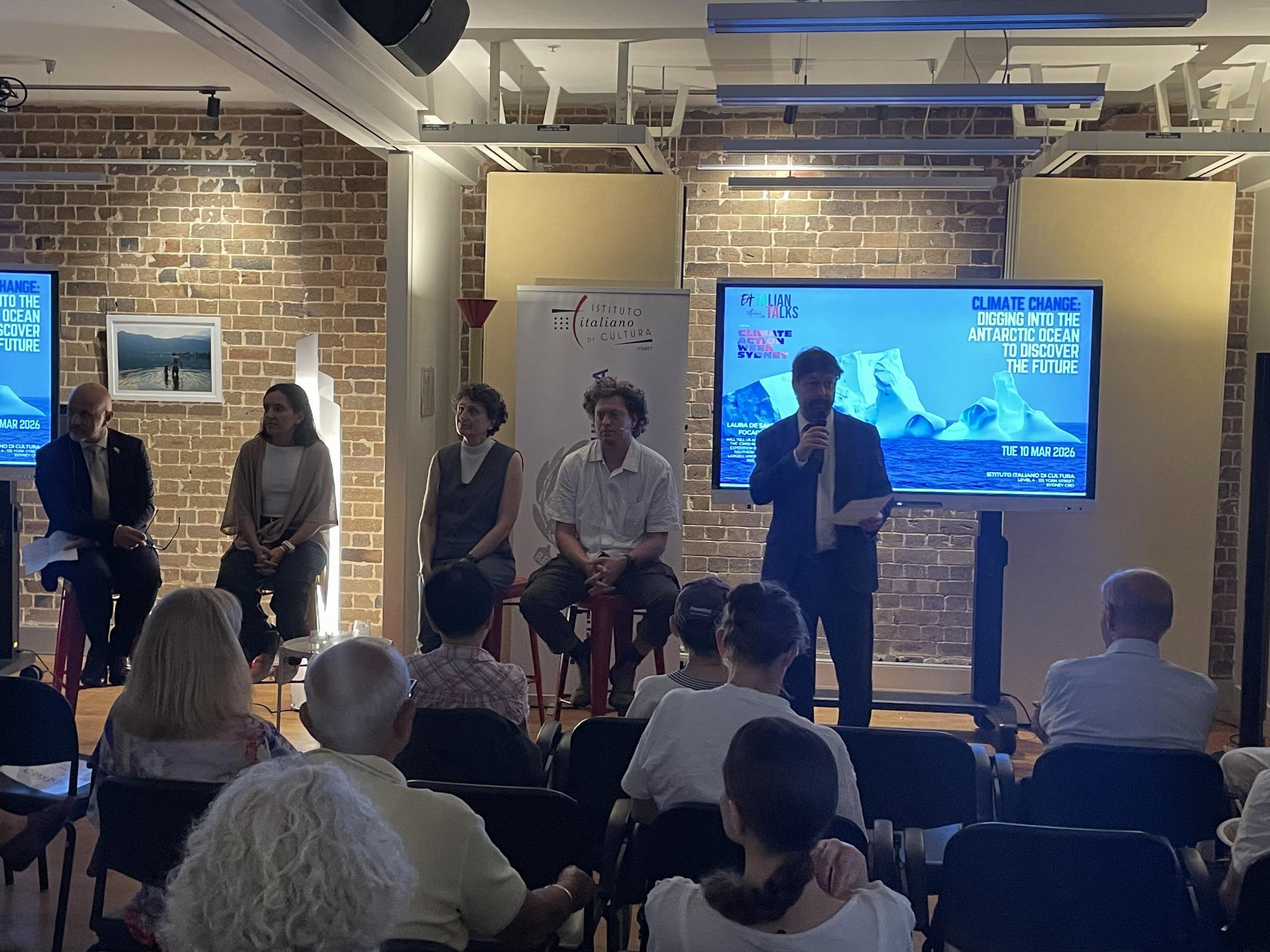
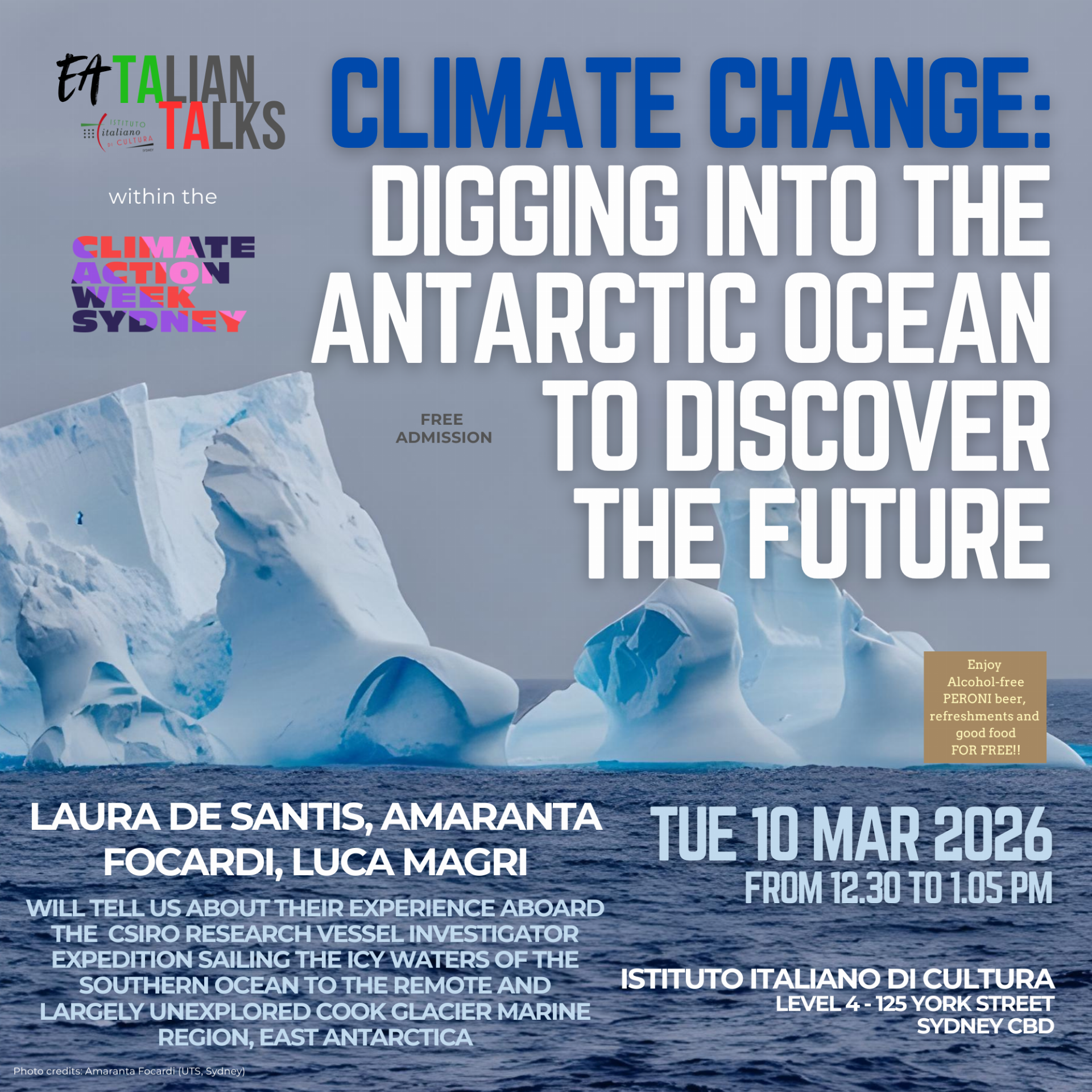
Join Amaranta, Laura and Luca in conversation with the Scientific Attaché of the Italian Embassy in Canberra, Marco Lazzarino, at the Italian Institute of Culture, Sydney, on Tuesday 10 March 2026 from 12.30 to 13.05pm. Free admission.
Antarctica’s past is key to predict Earth’s future: clues from sediments underneath the Southern Ocean
Italian scholars Amaranta Focardi, Laura De Santis and Luca Magri have just returned from a two-month research expedition led by Dr Linda Armbrecht (Institute for marine and Antarctic Studies (IMAS), University of Tasmania, Australia), sailing the icy waters of the Southern Ocean to the remote and largely unexplored Cook Glacier marine region, East Antarctica.
Climate change is happening. How it will affect our daily lives, however, depends on many interconnected factors. One of the least known, yet potentially disruptive, lies hidden in the ice, sediment and waters of Antarctica. The Cook is one of the most vulnerable glaciers in Antarctica, containing enough ice to significantly influence global climate, ocean circulation and sea level.
Join us for an Eatalian Talks series event to discover how Climate Change is affecting Antarctic Ocean and its unexplored Cook Glacier.
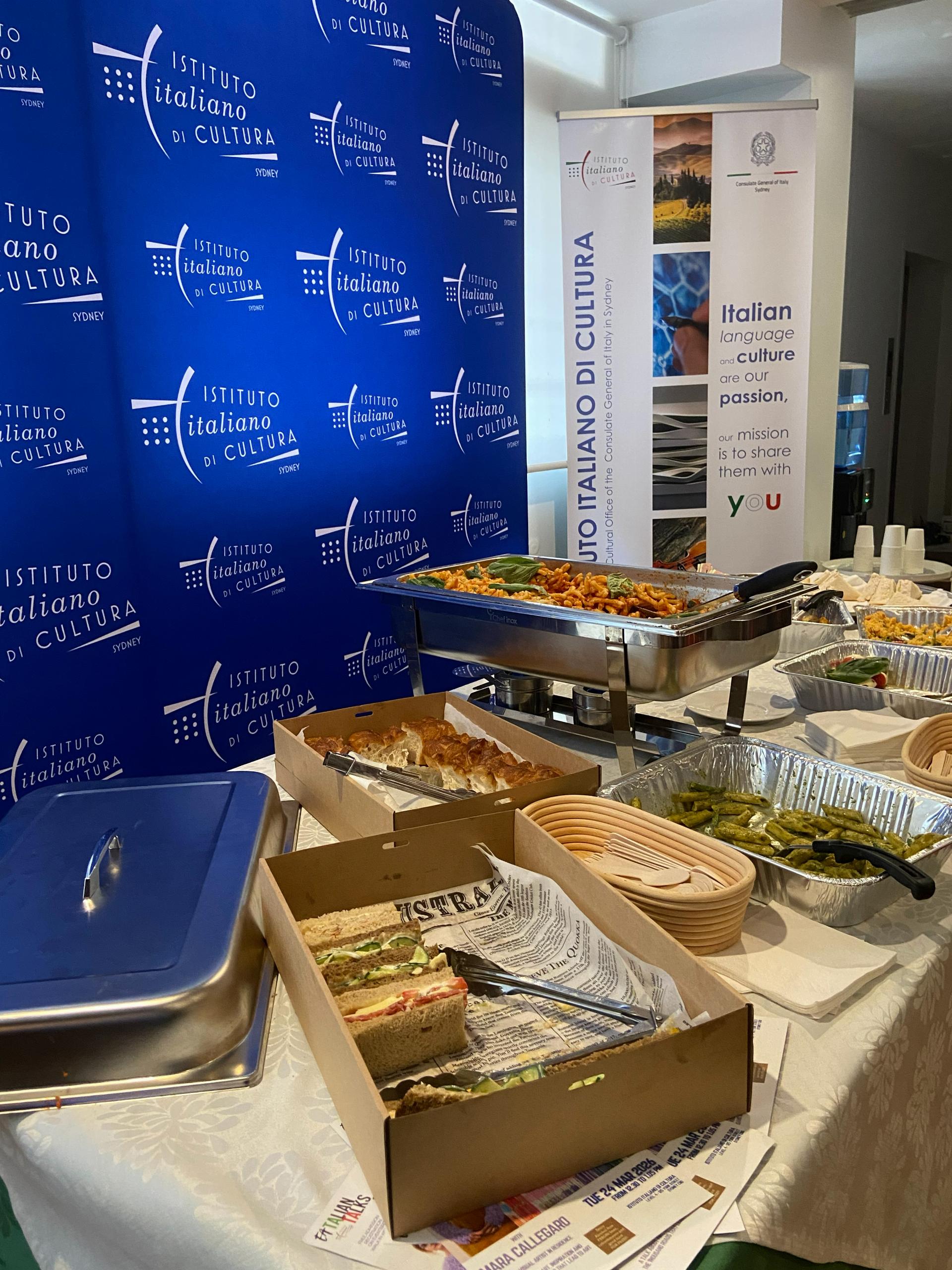
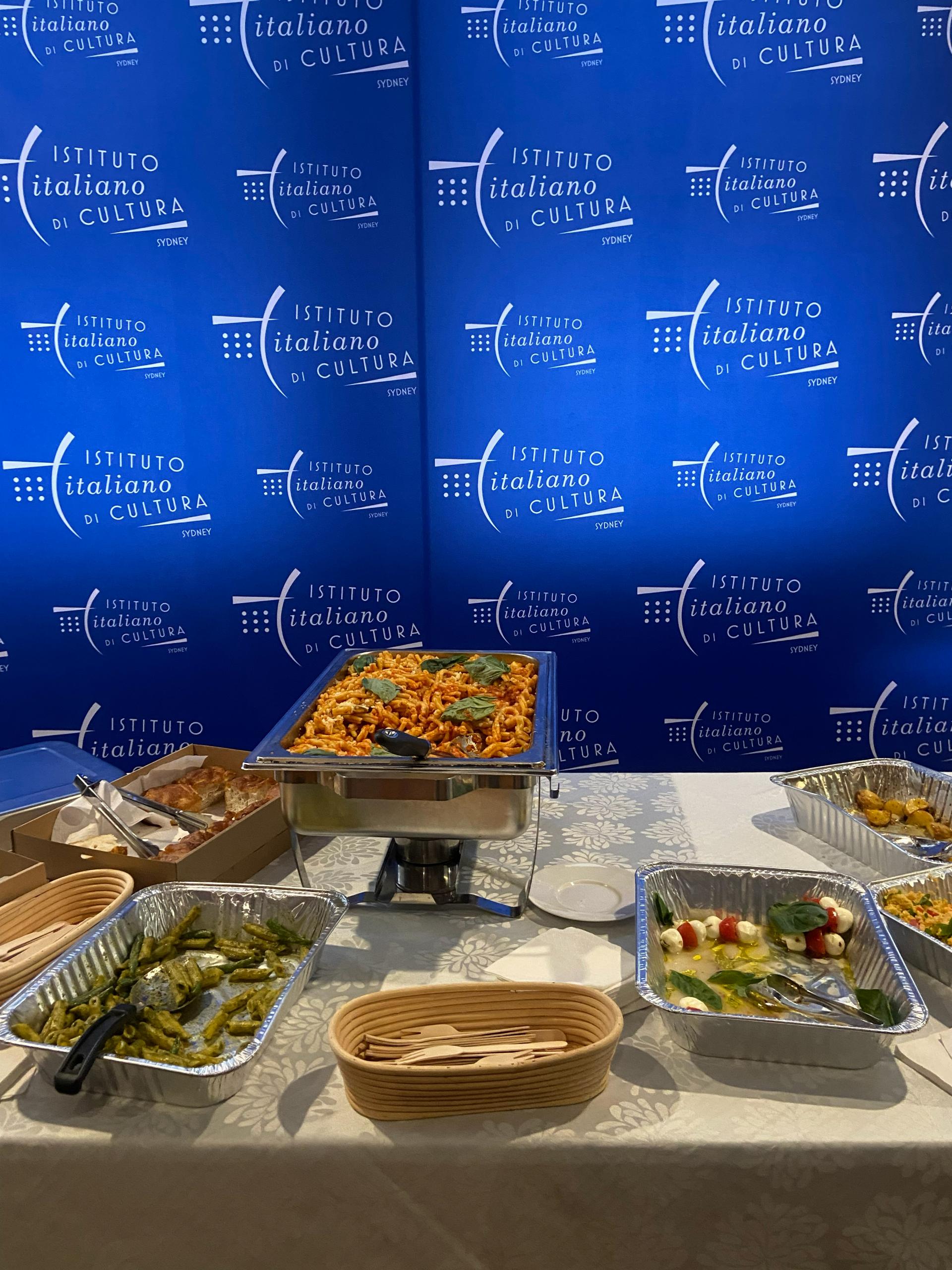
The Event will be in English. Complimentary light lunch and refreshments will be offered to all participants.
Free admission
Registration available on Climate Action Week Sydney’s website : Climate Change: Digging into the Antarctic Ocean to discover the future · Luma
Or book your ticket on Eventbrite
Bio
Originally from Firenze and now based at the University of Technology Sydney (UTS), Amaranta studies the smallest forms of ocean life: microorganisms. By investigating how these microscopic communities are shaped by sea ice and ocean circulation, her work sheds light on how the Antarctic ecosystem may respond to future climate change.
Ocean warming could ultimately trigger the collapse of Antarctic ice shelves, setting off cascading effects, including global sea-level rise. To understand whether this process is already underway at the Cook Glacier, Laura, from the National Institute of Oceanography and Applied Geophysics (OGS) in Trieste, Italy, looks to the past. By reconstructing conditions during the Pleistocene, when Antarctica’s climate was similar to today’s, she helps reveal what may lie ahead.
Luca, born in Cremona and currently based at The University of Sydney and an honorary affiliate at IMAS after having completed his PhD there, sailed as a marine geophysicist. His work on mapping the seafloor and investigating what lies underneath, provides key information to understand the effect that moving tectonic plates have on the Earth’s climate.
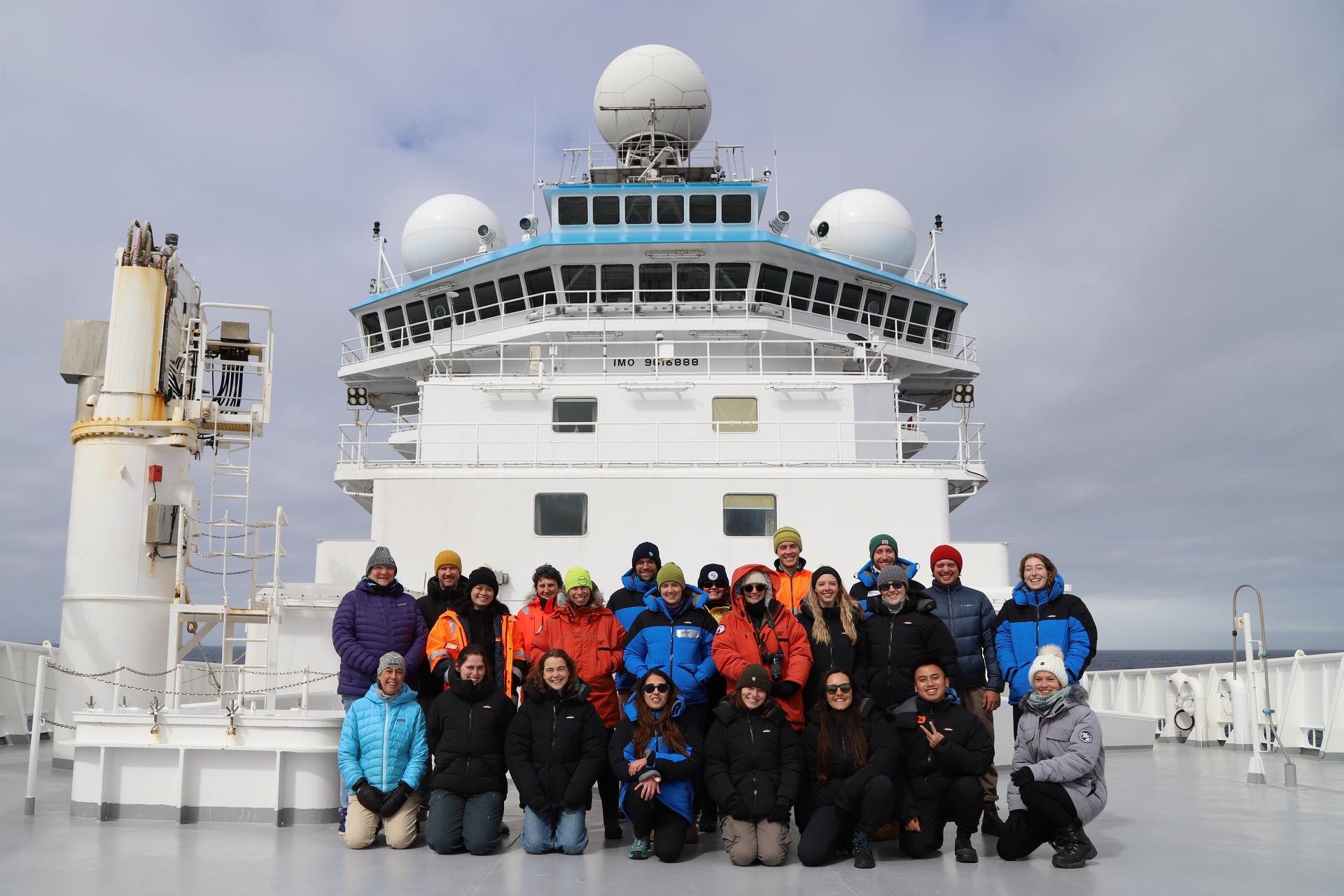
Together with a dozen scientists from around the world, Amaranta, Laura and Luca spent two months aboard the CSIRO research vessel RV Investigator, working day and night in 12-hour shifts among towering icebergs, freezing winds and heavy seas — often accompanied only by humpback whales.
* The Research Vessel Investigator is an advanced ocean research vessel, managed by CSIRO and supporting Australia’s atmospheric, oceanographic, biological and geoscience research